Your cart is empty
Tax included and shipping calculated at checkout

Drawer menu
Tax included and shipping calculated at checkout

A room can smell a little stuffy just as the doorbell is about to ring. It’s tempting to reach for a plug-in or spray and cover it up quickly. But if you’re looking for a non toxic air freshener, it helps to start with a simple idea: freshening a room and adding fragrance are not the same thing.
Air fresheners add scent; they don’t remove the source of an odor or purify the air. A thoughtful approach starts with fresh air and a clean space, then adds fragrance only if you want it. Here are seven practical ways to make your home smell good while choosing products with more transparent ingredients.
Air fresheners come in many forms, including aerosols, plug-ins, gels, and sprays, so their ingredients vary. Depending on the product, they may contain fragrance, solvents, propellants, or volatile organic compounds (VOCs), chemicals that can evaporate into the air. Some people notice irritation or sensitivity around certain fragrances, while others may not. That doesn’t mean every air freshener is equally concerning, but it is a reason to pay attention to how a product works for you.
The word “fragrance” can also refer to a blend of ingredients without naming each one on the label. Consumer Reports has discussed potential concerns about VOCs from some air fresheners, while the Environmental Working Group recommends addressing odor sources and ventilating rather than relying on fragrance to mask them.
“Natural” isn’t a guarantee either. Essential oils are concentrated fragrance mixtures, and plant-derived ingredients can still bother people with sensitivities. A product’s ingredients and your own experience matter more than a broad label.
There isn’t one universal definition of “non-toxic” for home fragrance. Instead of relying on that phrase alone, look for specific information:
No scented product is literally chemical-free; fragrance itself is made of chemicals, whether its ingredients come from plants or are made another way. The more useful question is whether a brand is transparent about its formula and whether the scent suits your home.
When outdoor conditions allow, open a couple of windows to create a gentle cross-breeze. Even a short airing-out can help clear stale smells. A kitchen or bathroom exhaust fan can also help move air out of the home.
Ventilation is especially useful before you add fragrance. It helps address the stuffy feeling instead of simply layering another scent over it.

If the kitchen smells like last night’s dinner, the source may be the bin, sink, or stovetop, not the air itself. Pet odors may linger in bedding or rugs. A musty smell can point to damp fabric or a moisture problem.
Try removing trash, washing washable textiles, cleaning drains and surfaces, or drying damp areas. If a persistent musty odor suggests a leak or mold, look into the moisture source rather than trying to cover it with fragrance. A fresh-smelling room begins with the source.
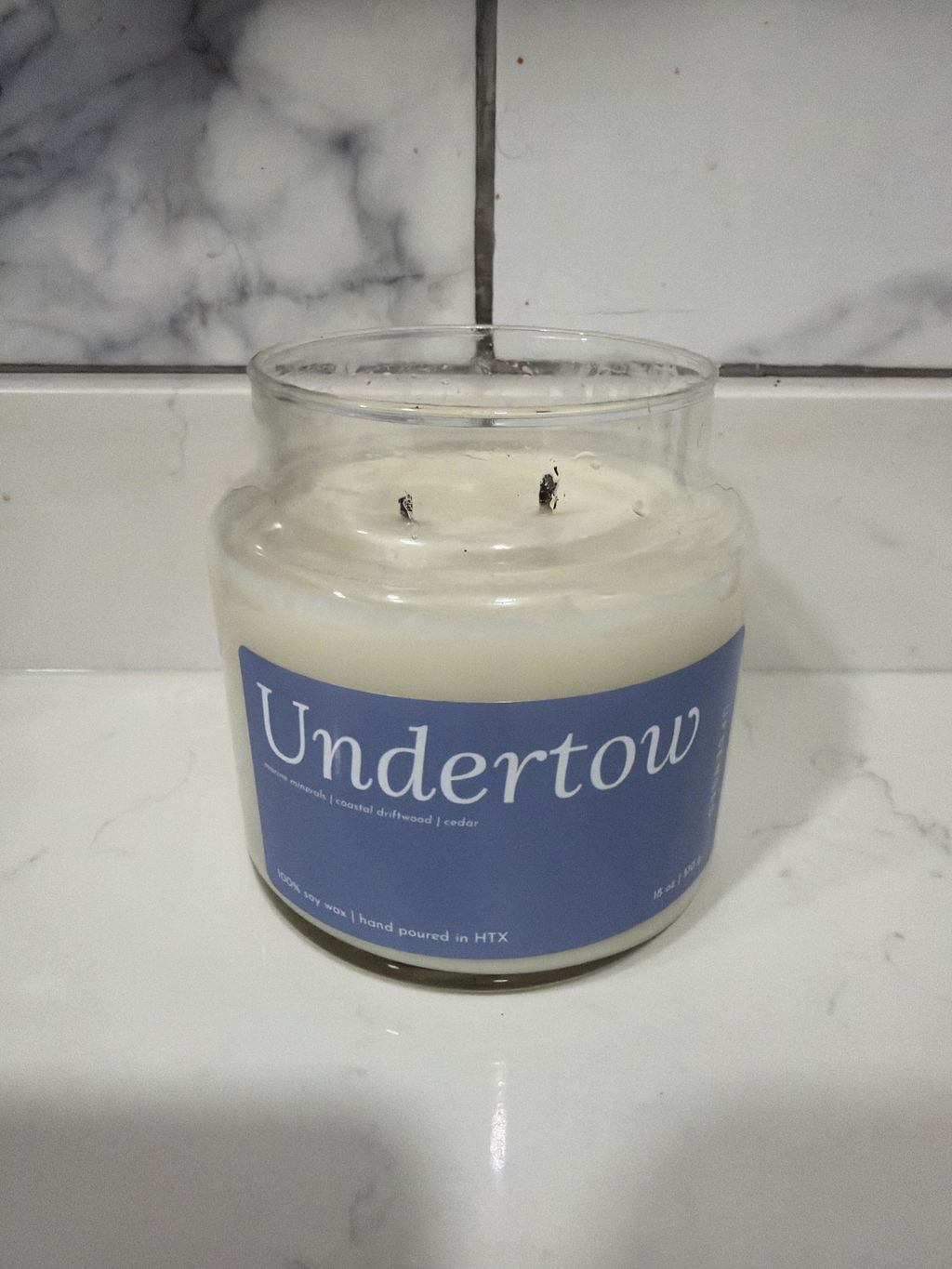
A candle can offer a slower, softer way to scent a room than a spray. Look for details about wax, wick, and fragrance instead of assuming a candle is cleaner because it says “natural.” Upsensed candles are hand-poured in Houston with 100% US-grown soy wax, 100% cotton wicks, and phthalate-free fragrance. You can browse the soy candle collection or read our clean-burning candles guide for more on what to check.
A candle is still a scented, burning product, not an air purifier. Burn it according to the label, keep it away from drafts and anything flammable, and ventilate the room. If fragrance or smoke bothers you, an unscented option or no candle may feel better.
A room & linen spray offers a quick burst of scent without a flame. If it’s labeled for fabric, you can lightly mist linens, pillows, or curtains; always test a hidden area first and follow the product directions. For the air, a small amount is often enough.
Upsensed’s Palo Santo + Rosewood room & linen spray lists its ingredients and is labeled phthalate-free and paraben-free. It’s one option if you want a woody, citrus-touched scent. For more practical tips, see how to use room and linen sprays.

For a temporary, familiar scent, simmer citrus peels, cinnamon sticks, or herbs in a small pot of water. Keep the heat low, check the water regularly, and stay nearby; don’t leave a pot simmering unattended. This is a scenting ritual, not an air-cleaning method, and the fragrance will fade when the pot cools.
Plants bring color and life to a room, but a few pots shouldn’t be counted on to freshen indoor air or remove pollutants. Choose plants because you enjoy caring for them and like the way they look. If you have pets, check whether a plant is safe for them before bringing it home.
Baking soda can help absorb some odors in enclosed spots. You might place an open container in a fridge or sprinkle a small amount on a compatible carpet, leave it briefly, then vacuum thoroughly. Check carpet-care instructions first, and keep baking soda away from children and pets. It won’t solve every odor, but it can be a simple, fragrance-free step.
Pets and people can respond differently to fragrance. Use sprays sparingly, let the mist settle, and keep the space ventilated. If your pet shows signs of discomfort or you’re unsure what’s appropriate, check with your veterinarian. People with asthma, allergies, migraines, or fragrance sensitivities may prefer unscented products and extra airflow.
The most useful natural air freshener may be a clean, aired-out room. Once the source of an unwanted smell is handled, you can decide whether you’d enjoy a gentle scent from a candle, a room spray, or a stovetop simmer, or whether fresh air alone feels just right.
A fragrance can shape the atmosphere, but it can’t purify air or replace cleaning and ventilation. Choose products with ingredient details you can understand, use them thoughtfully, and let your home smell like a home.